Source European Design Exterior Folding Window With Fiberglass Screen for Villas, Hotels, Apartments
Compare 19 listings for the european design exterior folding window with fiberglass screen, featuring aluminum alloy frames, tempered glass options, and multi-panel folding mechanisms suitable for residential and commercial projects.
Key considerations
Products List


Comprehensive Sourcing Guide
Strategic Sourcing Guide for European Design Exterior Folding Windows with Fiberglass Screens
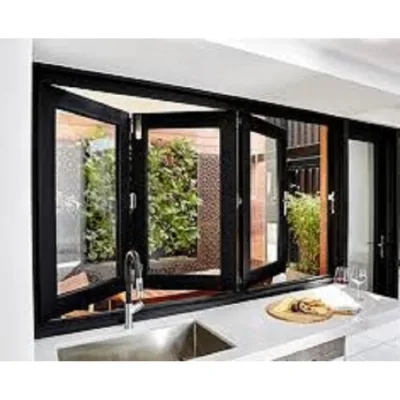
The global demand for European design exterior folding windows with fiberglass screens has surged as architects and developers prioritize seamless indoor-outdoor transitions, energy efficiency, and robust security. These systems, often characterized by their sleek profiles and multi-panel folding mechanisms, represent a significant investment in building envelopes. For procurement professionals, navigating the supply chain requires a disciplined approach that distinguishes between marketing assertions and verifiable product attributes. This guide synthesizes available market data to provide a structured framework for sourcing these specialized fenestration systems, focusing on technical validation, compliance verification, and long-term value assessment.
Technical Specifications and Material Integrity
The foundation of a high-performance folding window system lies in its material composition and structural engineering. In the context of European design aesthetics, the frame material is predominantly aluminum alloy, chosen for its strength-to-weight ratio and ability to maintain slim sightlines. The supplied data indicates that frame thickness is a critical variable, with observed specifications ranging from 1.4mm to 2.0mm, often customizable to meet specific structural loads. Buyers must verify the exact thickness of the aluminum profile, as thinner gauges may compromise the stability of large multi-panel configurations.
The screen netting material is a distinct differentiator in this category. While many systems utilize standard aluminum mesh, the specific requirement for a fiberglass screen offers superior corrosion resistance and flexibility. The observed data confirms the availability of nylon-based screen netting, which serves as a durable barrier against insects while maintaining visibility. It is essential to confirm that the fiberglass or nylon mesh is integrated into a frame that supports the "European design" aesthetic, which typically demands a flush finish and minimal visual interruption.
Glass selection is equally paramount for thermal and acoustic performance. The market offers a diverse array of glass types, including tempered, frosted, reflective, Low-E, laminated, and tinted options. A specific configuration noted in the data is the double-layer hollow tempered glass (5+20A+5mm), which provides enhanced insulation. The sealing performance relies heavily on the integration of EPDM rubber sealing strips, which are cited as achieving IP54 waterproof and dust-proof ratings. Procurement teams should request physical samples to verify the density of the EPDM strips and their compatibility with the aluminum frame to ensure long-term weather tightness.
Compliance, Certification, and Safety Standards
Navigating the regulatory landscape is a non-negotiable aspect of international procurement. The supplied facts highlight several key certifications that serve as benchmarks for quality and safety. ISO9001 is a recurring certification, indicating that the manufacturing process adheres to international quality management standards. Furthermore, specific market entries reference CE marking and ISO9001, alongside AS2047, which is the Australian Standard for glazing. The presence of AS2047 suggests that some suppliers have already validated their products for high-wind and impact resistance environments, a crucial factor for exterior applications.
Safety ratings are another critical compliance metric. The data presents a range of security ratings, including "A" and "B" classifications. Buyers must clarify the specific testing methodology used to derive these ratings, as terminology can vary between manufacturers. Additionally, fire safety is a mandatory consideration for commercial and high-rise residential projects. The observed data mentions a Class B1 fire rating, describing the frame as flame-retardant and non-combustible. However, procurement officers should not assume this rating applies to all units; it must be verified against the specific glass type and sealing materials used in the final assembly.
Wind resistance performance is another area requiring strict verification. One data point cites a wind resistance grade of Grade 9, capable of resisting wind speeds up to 28m/s. Another specification lists a performance range of 3.0≤P3<3.5. These numerical values indicate the pressure resistance of the system. When sourcing, buyers should demand third-party test reports that correlate the specific model number with these performance metrics. Relying on general claims without specific test documentation can lead to installation failures in high-wind zones.
Cost Drivers and Pricing Dynamics
Understanding the cost structure of European design folding windows is essential for budget forecasting. The observed price range in the market spans from 10 to 201 USD, a wide variance that reflects differences in glass thickness, hardware quality, customization levels, and order volume. The minimum order quantity (MOQ) varies significantly, ranging from 1 unit to 100 units, influencing the unit cost for smaller projects.
Several factors drive the final price. First, the hardware selection is a major cost component. The data lists high-end hardware brands such as Germany Siegenia, Germany Hoppe, and Italian Ota. Systems equipped with these premium brands will command a higher price point compared to those with generic hardware. Second, the glass configuration significantly impacts cost. Double-layer hollow glass with Low-E coatings is more expensive than single-pane tempered glass. Third, customization plays a pivotal role. The data confirms that customization is available for dimensions, colors, and standard configurations. Custom orders often incur higher tooling and production costs, which are reflected in the unit price.
The packaging method also influences logistics costs. Options range from plastic film inside with wood packages to bubble wrap sealing and crate plus carton combinations. For international shipping, the robustness of the packaging (e.g., wood packages vs. standard cartons) affects freight charges and the risk of damage during transit. Buyers should factor in the total landed cost, including packaging, freight, and potential customs duties, rather than focusing solely on the ex-works price.
Typical Applications and Functional Performance
The versatility of these folding windows makes them suitable for a broad spectrum of applications. The data explicitly lists hotel, apartment, residential, commercial, and villa settings as primary use cases. The "European design" aesthetic, characterized by clean lines and modern styling, aligns particularly well with commercial storefronts and high-end residential villas where visual appeal is paramount.
Functionally, these systems are designed to provide multiple benefits simultaneously. They offer soundproofing capabilities, with observed sound insulation levels ranging from 30 to 35 decibels. This makes them ideal for urban environments or properties near busy roads. The airproof and dust-proof attributes, supported by the EPDM sealing and IP54 rating, ensure that the building envelope remains protected from external elements. The insect-proof feature, facilitated by the fiberglass screen, allows for natural ventilation without compromising indoor air quality.
The opening mechanism is another defining characteristic. The systems support multi-panel folding, inward or outward foldable patterns, and horizontal opening patterns. This flexibility allows for the creation of large, unobstructed openings that can be folded back to maximize space. The maximum panel size observed is up to 1200mm in width and 2400mm in height, with a load-bearing capacity of up to 80kg per panel. This structural capacity ensures that even large glass panels remain stable during operation. Buyers should match the panel size and opening style to the specific architectural requirements of the project, ensuring that the folding mechanism can handle the weight and dimensions of the selected glass.
Supplier Evaluation and Quality Control
Selecting the right supplier requires a rigorous evaluation process that goes beyond price comparisons. The origin of the products is a key indicator of manufacturing capability. The data points to origins in Foshan, Guangdong, China, and Huainan, China, which are established hubs for aluminum profile and glass processing. However, the location alone does not guarantee quality. Buyers should verify the supplier's production capacity, specifically their ability to handle customized orders and maintain consistent quality control.
Quality control measures should be embedded in the procurement contract. The data mentions a service life of ≥ 20 years, a claim that must be backed by accelerated aging tests and warranty documentation. Buyers should request evidence of the surface finishing process, which is listed as "Finished," to ensure that the aluminum frames are treated against corrosion and UV degradation. The hardware accessories, such as stainless steel folding hinges and anti-theft locks, should be inspected for material grade and finish quality.
When evaluating suppliers, look for those who offer a "Total Solution for Projects." This capability indicates that the supplier can provide not just the product, but also technical support, installation guidance, and after-sales service. The ability to provide customized solutions, including specific colors like white, black, silver gray, champagne gold, and wood grain, is a sign of a flexible and responsive manufacturer. Buyers should also assess the supplier's response time and communication efficiency, as these factors are critical for managing complex, multi-unit orders.
Long-Term Procurement and Maintenance Considerations
Sourcing folding windows is a long-term investment that requires consideration of maintenance and lifecycle costs. The data indicates that the products are suitable for both exterior and interior applications, with installation types including wall-mounted and embedded options. The choice of installation method can affect the long-term durability of the system. Embedded installations may offer better weather protection, while wall-mounted options might be easier to replace or repair.
Maintenance requirements should be clearly defined in the procurement agreement. The EPDM rubber sealing strips and stainless steel hardware are subject to wear and tear over time. Buyers should inquire about the availability of replacement parts and the ease of accessing the hardware for lubrication or adjustment. The "Finished" surface treatment should be durable enough to resist fading and scratching, but regular cleaning protocols should be established to maintain the aesthetic appeal.
Furthermore, the customization aspect offers flexibility but also introduces complexity. Custom dimensions and glass types mean that replacement parts may not be off-the-shelf items. Buyers should ensure that the supplier maintains a stock of critical components or has a reliable process for producing custom replacements. The "Standard" designation for the product standard being "Customized" highlights that each order is unique, necessitating a robust documentation system to track specifications for future reference.
In conclusion, sourcing European design exterior folding windows with fiberglass screens requires a meticulous approach that balances aesthetic desires with technical rigor. By focusing on verified material specifications, demanding comprehensive certification data, and evaluating suppliers based on their ability to deliver total project solutions, procurement professionals can secure high-performance fenestration systems that meet the demands of modern architecture. The wide range of observed specifications and certifications provides a solid foundation for making informed decisions, provided that buyers remain vigilant in verifying claims against actual product performance and documentation.
FAQs
What frame materials are used for these windows?
The frames are constructed from aluminum alloy to ensure strength and a slim profile. Buyers can select from customizable thicknesses ranging from 1.4mm to 2.0mm to meet specific structural load requirements.
Which certifications validate the product quality and safety?
Products typically hold ISO9001, CE, and AS2047 certifications to verify manufacturing standards and glazing safety. Some units also achieve a Class B1 fire rating for flame retardancy in commercial applications.
How does the screen netting material affect performance?
The screen netting is made of nylon to provide a durable barrier against insects while maintaining visibility. This material offers superior corrosion resistance compared to standard aluminum mesh for long-term exterior use.
Can the windows be customized for specific project needs?
Yes, customization is available for dimensions, colors, and standard configurations to fit unique architectural designs. Buyers can specify glass types like Low-E or tempered options and choose from various hardware brands.
What is the maximum panel size and load capacity?
Maximum panel sizes can reach 1200mm in width and 2400mm in height with a load-bearing capacity of up to 80kg per panel. This ensures stability for large glass configurations in multi-panel folding systems.
Which hardware brands are available for these systems?
High-end hardware options include Germany Siegenia, Germany Hoppe, and Italian Ota for enhanced durability and security. Stainless steel folding hinges and anti-theft locks are standard accessories included with the system.
How effective is the sound insulation performance?
The windows provide sound insulation levels ranging from 30 to 35 decibels to reduce external noise. This performance is supported by EPDM rubber sealing strips that ensure an airproof and dust-proof seal.